2026-08-26 · Andre Martin
After the January 2025 South Lake Charles Outage: Heat When the Power Comes Back
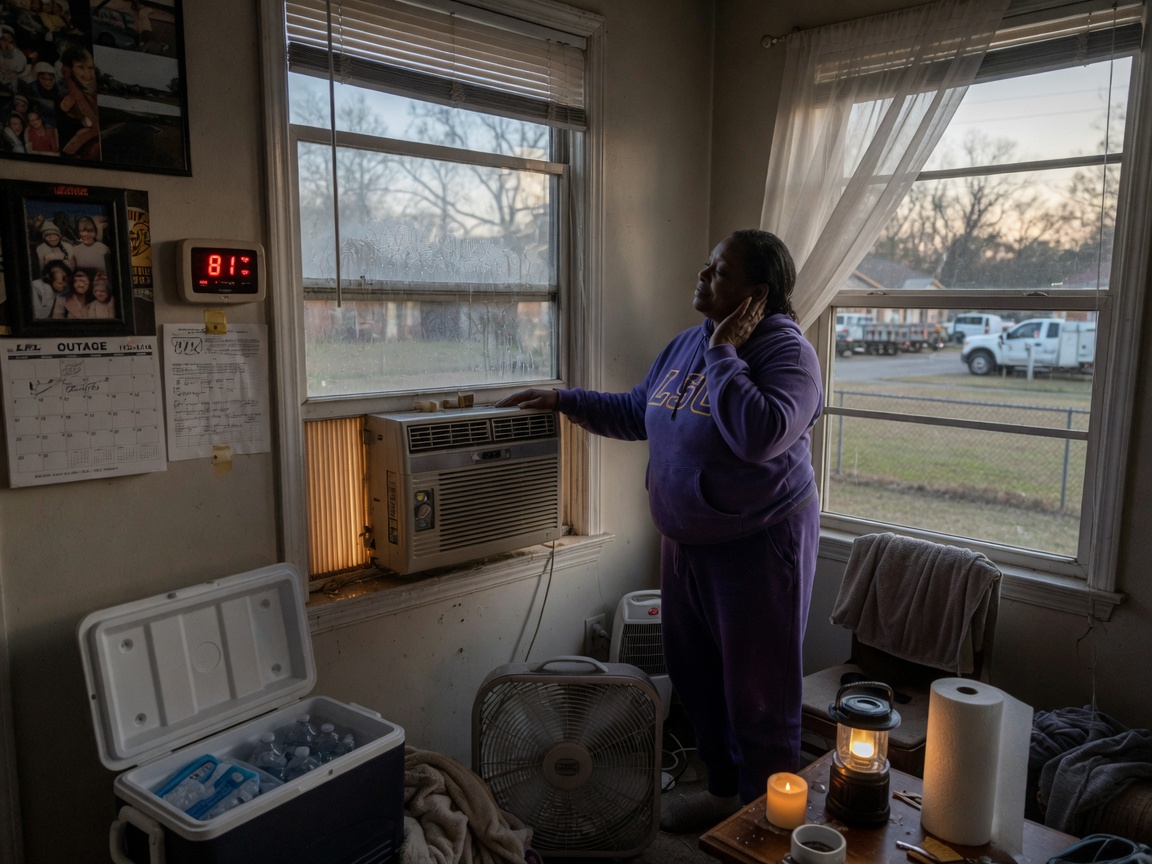
After the January 2025 South Lake Charles outage, many homes faced rising indoor temperatures within hours once power returned because the region's humidity quickly overwhelmed systems that had been idle. KPLC reported over 3,000 customers without service near Ham Reid Road and Lake Street, with Crescent at Country Club still dark during the cold snap, and residents in South Lake Charles noticed their units struggling to regain cooling capacity amid the shift back to typical Gulf conditions.
Power Restoration and Immediate Heat Buildup
Once electricity returned, indoor spaces in South Lake Charles heated rapidly under the area's characteristic morning relative humidity near 90 percent. The January cold snap had masked the usual demands on cooling equipment, but the return to normal temperatures exposed any accumulated moisture or component stress inside air handlers and condensers. Homes near Prien Lake Park and the Lake Charles Civic Center experienced the same pattern, with thermostats climbing faster than expected because the prolonged outage allowed humidity to infiltrate ductwork and living spaces.
Residents checked filters and reset breakers first, yet many found their units running continuously without dropping indoor temperatures below 80 degrees. This occurs when coils retain condensation from the outage period and the compressor restarts under load in already saturated air. Local patterns around McNeese State University showed similar reports, where even brief outages left systems fighting the subtropical moisture that defines Calcasieu Parish winters turning to spring.
AC Performance After Extended Outages
Systems that sat without power during the cold period often restarted with reduced efficiency because the outdoor units had been exposed to temperature swings. In neighborhoods such as Moss Bluff and near L'Auberge du Lac, homeowners reported units that would cycle on but fail to maintain set points once afternoon humidity climbed. The 59.75 inches of annual rainfall typical for the area means residual moisture inside equipment becomes a factor when power resumes and heat returns.
Checking the thermostat settings and confirming the outdoor condenser fan spins helps identify basic issues, yet persistent high indoor readings point to deeper problems with refrigerant levels or electrical contacts that weakened during the outage. Properties along Shell Beach Drive and Broad Street followed the same timeline, where comfort returned only after targeted HVAC repair addressed the post-outage strain rather than simple restarts.
Steps to Restore Cooling in Humid Conditions
Begin by inspecting accessible filters and clearing debris around the outdoor unit, then verify that breakers have not tripped from the initial surge. If indoor temperatures remain elevated after several hours of operation, note any unusual noises or short cycling, which signal the need for professional assessment rather than continued runtime. These steps apply directly to homes in Goosport and Germantown that lost service during the same KPLC-reported event.
Monitoring the system over the first full day after restoration reveals whether the unit can handle the return to normal loads. Persistent warmth despite continuous operation usually traces to moisture affecting sensors or coils, a common outcome in Calcasieu Parish following any extended loss of power.
Scheduling HVAC Repair After the Outage
When basic checks do not restore cooling, contact a local technician familiar with Gulf Coast equipment. AM Refrigeration at 634 7th St, Lake Charles, LA 70601 handles these post-outage calls during regular hours and focuses on air conditioner not cooling issues common after events like the Ham Reid Road outage. Technicians inspect for moisture damage and electrical wear that the cold snap and subsequent heat created.